Solar roofing combines a roof covering with electricity generation. It is worth comparing when a roof already needs substantial work. A sound existing roof may be a better starting point for conventional panels. Neither option includes backup power automatically.
What makes a roof “solar”?
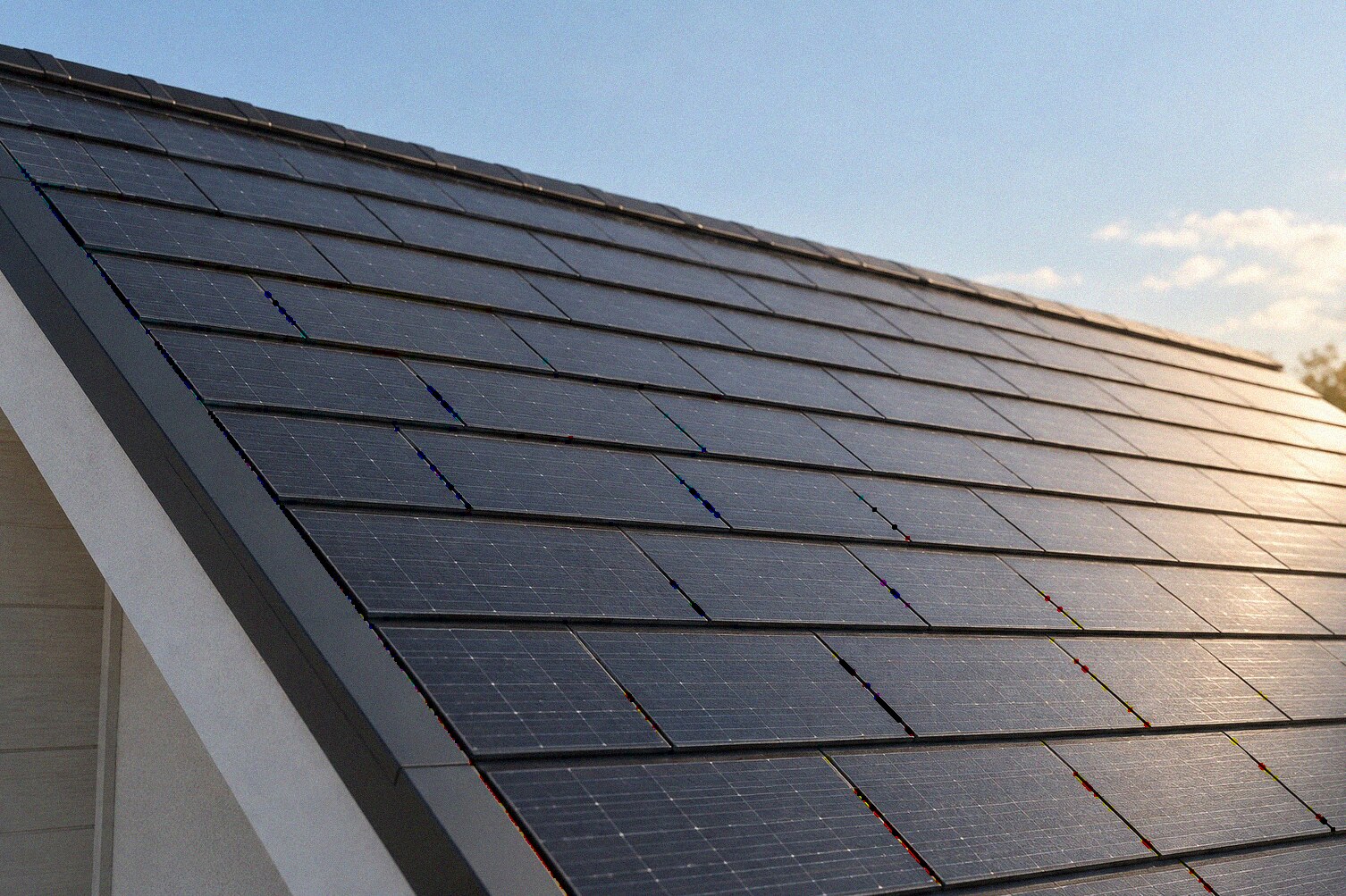
Most residential solar systems use photovoltaic, or PV, cells: devices that convert light into electricity. Conventional panels contain these cells in modules mounted above a separate roof covering. Solar roofing incorporates them into materials that also perform a building function.
The technical term is building-integrated photovoltaics (BIPV). A solar shingle or tile is one application; the broader category also includes generating materials in façades and windows. The Department of Energy explains this distinction in its overview of building integration.
A low-profile panel array is not necessarily BIPV. Ask which component is the roof covering, which makes electricity, and what remains weatherproof if a generating component is removed for service.
Three decisions before choosing a product
Establish condition, remaining service life and the scope of any replacement.
Gather electricity bills and interval data before deciding system size.
Separate outage needs from the goal of reducing electricity bills.
These decisions interact. Replacing the roof changes the comparison between panels and integrated roofing. Adding a battery changes both the budget and how much daytime generation you can use later. A future heat pump or electric vehicle changes expected consumption, but it should be recorded as an assumption rather than folded silently into a savings claim.
Why California needs its own comparison
Your electricity provider and tariff affect the value of solar generation. For customers on the Solar Billing Plan, using electricity in the home and exporting it to the grid are different financial events. Start with the tariff shown on your own account; a neighbor’s older system may operate under different terms.
Roof suitability is site-specific too. A sunny regional climate does not eliminate a shaded roof plane, an aging roof covering or a complicated installation layout. Ask for the proposed roof plan and the assumptions behind its generation estimate.
Use our California billing guide to frame the utility questions and our roof planning guide to organize the construction questions.
Compare a complete project
A solar roof proposal may include roofing work that a panel quote excludes. A panel proposal may include a larger generating system. Comparing their bottom-line prices without matching scope can lead to the wrong conclusion.
Request separate figures for roofing, solar equipment, electrical work, storage, permits and financing. Also request the proposed generating capacity, estimated annual production, shading assumptions and service responsibilities. With those details, the question becomes which complete project best fits your roof and priorities.
The original Redwood concept
The earlier Redwood Renewables website explored roof-integrated solar technology. This publication continues the subject as an educational resource. It does not represent the former manufacturer or offer its products, patents or warranties.
An archived 16-page presentation (PDF) remains available at its historical address for readers following older references. Treat its product, price and incentive statements as historical material. See the project’s history note for context.
Sources & scope
Product performance, site conditions and individual eligibility require their own verification.
- U.S. Department of Energy: From rooftops to building integration
- U.S. Department of Energy: Homeowner’s Guide to Solar
- California Public Utilities Commission: Net Energy Metering and Net Billing
Solar roof or solar panels?
Start with the roof you have. Then compare the roof you need, the electricity you expect to produce, and who will service the system.